This essay is the last of the essays published from this pitch call, but there are so many others that deserve to be published. Please consider donating so we can publish more stories. Even a gift as small as $5 or $10 goes a long way.
If you're interested in sponsoring a post, please reach out at hello@queerandtranswealth.org. 💌
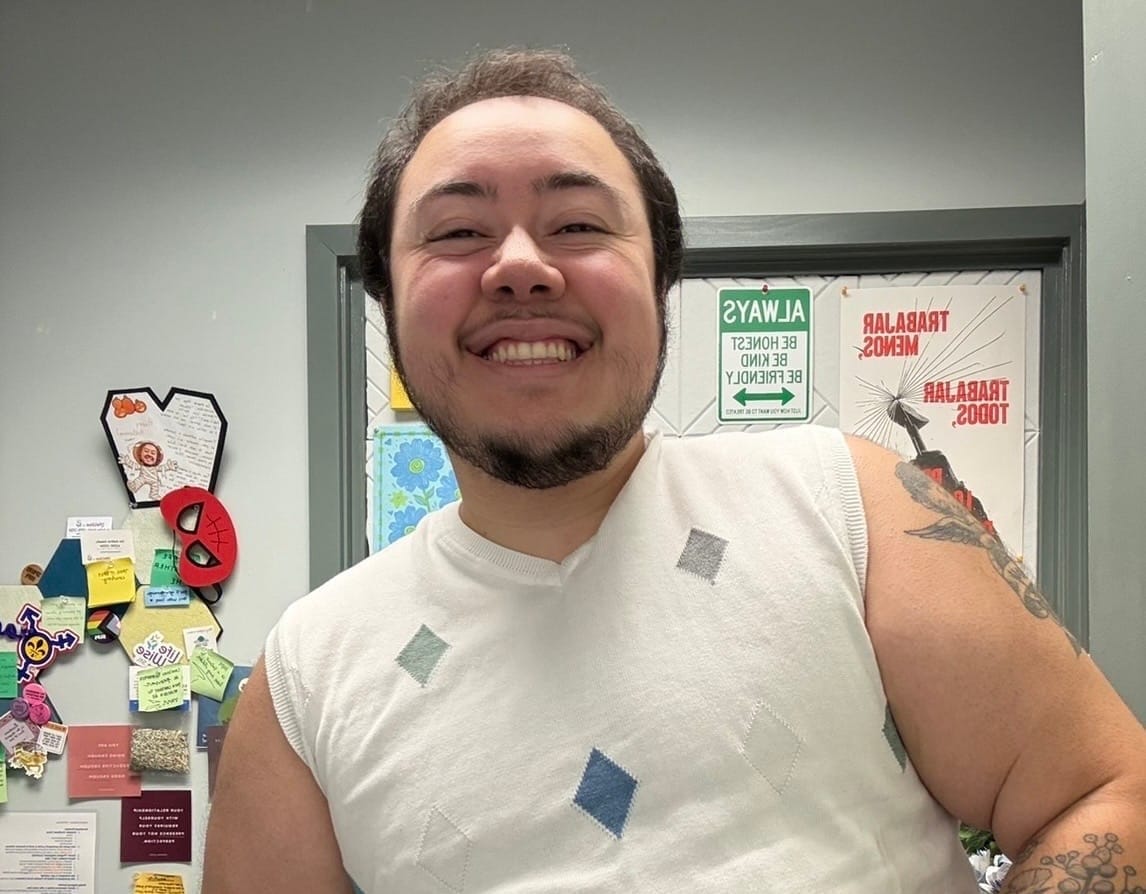
I started a $3,000 matched savings program for trans people living in St. Louis. Here's how I did it.
by ian andres amado
I’m ian andres amado (he/him), a Latino trans man and social worker in the St. Louis area. I’ve lived here since 2020 when I began my Master’s program. Instead of moving back to my home city of Los Angeles, I stayed here after graduating in 2022 because of the lower cost of living, beautiful changing seasons, and my new chosen family.
I first worked as a therapist, although eventually stepped away from clinical practice to care for myself. During that break, I discovered financial social work, a niche within the profession addressing the overlap between personal money management and its social-emotional impact.
A matched savings account (MSA) turns wishful thinking into reality
I work for a non-profit organization that supports the economic wellness of low- to moderate-income families. We have reduced-cost shopping markets where grocery items like produce and meat typically cost 50% less than in local grocery stores. Other programs, like our lending circles and loans, boost our participants’ credit scores.
We’ve additionally created matched savings accounts (MSAs), which is our most popular program. Participants save money toward a specific goal while completing financial education activities, then we match their savings up to 3x to get there faster. For example:
- A first-time homebuyer uses the support of our program to save $2,000 over six to 24 months.
- Meanwhile, the homebuyer completes a series of group classes and individual coaching sessions. Participants are required to finish the classes and coaching sessions to receive their match.
- Then, our nonprofit writes a check for an additional $6,000 after they complete all the group and individual coaching sessions.
- When they graduate from our program, the homebuyer has a total of $8,000 for a down payment instead of just their $2,000.
This process turns saving money from wishful thinking into a reality, keeping folks accountable to the goals they’ve chosen. When someone completes program requirements, they receive a check written out to the entity they’re paying for that specific goal. For example, if a participant is saving for college, our organization makes a check out to the university, not the participant.
The Hatch Fund: a matched savings program specifically for trans people
In my first few months of working there, I noticed we only had a handful of trans participants out of the thousands we serve annually. I wanted to change that, especially knowing how financial instability plagues the queer and trans community due to historical and ongoing oppression. I also felt called to support other trans people like myself; it’s not every day that we can work with professionals who share our lived experience.
I came up with Hatch Fund, a version of our MSAs intentionally created for trans folks. The name references the community in-joke of our eggs cracking upon discovering our transness. Here’s how the Hatch Fund works:
- Each participant saves $1,000 toward gender-affirming surgery costs over six to 24 months.
- Meanwhile, they complete a series of group classes and individual coaching sessions.
- The Hatch Fund adds another $3,000 to match their savings.
- By the end, they each have $4,000 to pay for gender-affirming surgery.
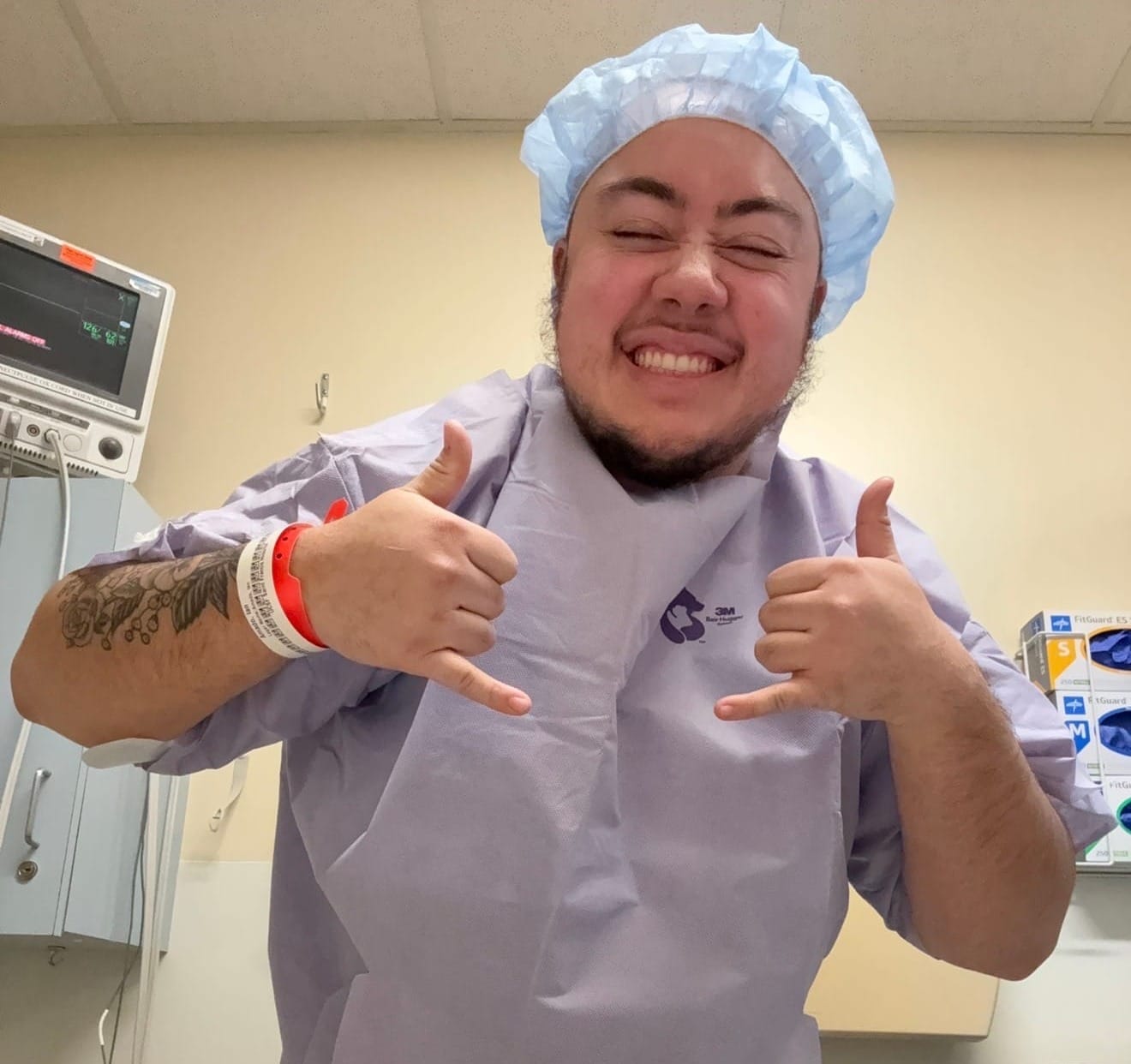
In 2025, I supported a Hatch Fund participant in accessing top surgery that would’ve otherwise been unaffordable for them. Two years prior, Missouri passed Senate Bill 49, which eliminated Medicaid coverage for gender-affirming care regardless of age. This meant that the participant, a Medicaid recipient, had to pay out-of-pocket for a surgery that cost roughly $10,000. We discussed saving strategies and brainstormed fundraising ideas. Unbeknownst to them, I was also on my own top surgery affordability journey at the time, which informed the suggestions I offered during our appointments. In some grand cosmic coincidence, we both hit our savings goals, and our surgeries happened a day apart. It is one of the most profound experiences I’ve had as a social worker.
That is just one of several Hatch Fund successes so far. Other popular goals from participants in the Hatch Fund include:
- Buying a car so they can commute to and from work or school safely
- Paying back debt that incurred from past gender-affirming healthcare expenses (cases like these are processed through our debt reduction MSA)
- Buying their first home, including participants who are passionate about hosting other queer and trans people needing a place to stay
Programs like the Hatch Fund are just a stopgap
In 2024, Missouri’s then-Attorney General eliminated Form 5532, which had allowed residents to change their gender markers on state-issued identification with only the signature of a licensed health professional. Suddenly, we were left without clear pathways for updating those documents. I had just begun transitioning a few months earlier, so I hadn’t had time to think about that, much less pursue it, before the option was taken from me. I made the emotionally fraught and financially straining decision to move 30 minutes east to Illinois, so I could have a driver’s license that accurately reflects who I am.
Given the ongoing hailstorm of legislation attacking trans rights, migration is top of mind for Hatch Fund participants as it once was for me. Participants have been asking if they’ll still be eligible for MSAs if they unexpectedly leave the area, or if their match can go toward moving costs. It’s heartbreaking hearing people’s goals shift from something they were enthusiastically reaching toward, to something they’re fearfully fleeing from.
Existing as a trans person in this landscape can be expensive, not to mention the toll on our mental health. While programs like mine benefit participants in significant and tangible ways, MSAs are ultimately stopgap measures for hostile living conditions created by systemic anti-transness.
In the same breath that I encourage the implementation of Hatch Funds around the U.S., I also hope for a future in which they’re unnecessary, a world where trans folks aren’t priced out of transition or legislated into hiding. One where everyone, regardless of identity, has their basic needs automatically met. But, this is me doing what I can while we continue to create that world.
I started a $3,000 matched savings program for trans people in St. Louis
In 2025, I supported a Hatch Fund participant in accessing top surgery that would've otherwise been unaffordable for them. It is one of the most profound experiences I've ever had as a social worker.