

How 3 surgeries, 1 miscarriage, and 2 layoffs changed my relationship with money
3 money habits I integrated in the pursuit of health

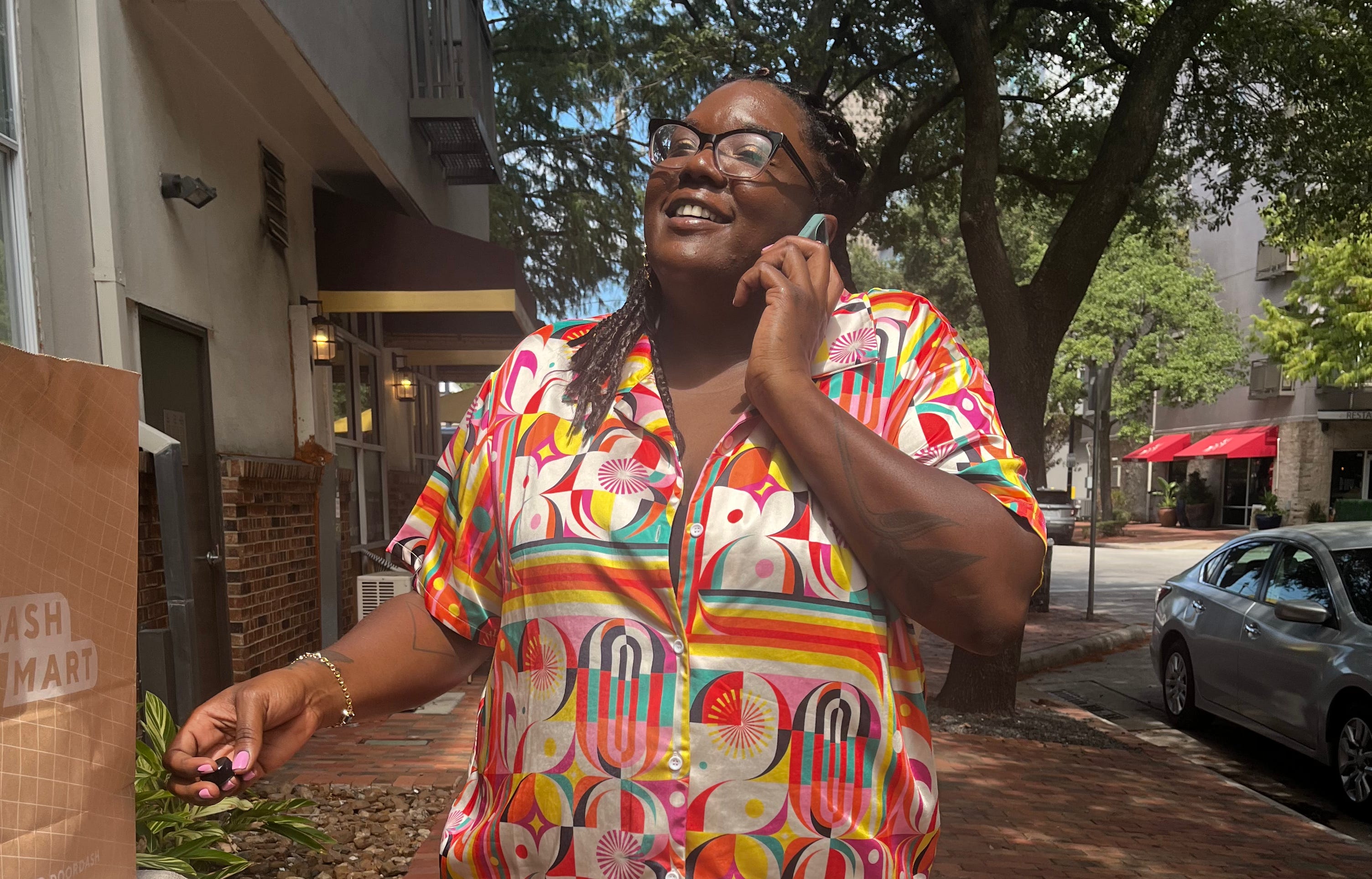
I’ve never considered myself good with money. When I graduated from college, I had about $60,000 worth of debt and decided to begin a career in the nonprofit industry. My first full-time job paid $40,000 per year in New York City. I believed that I was rich.
I spent my twenties investing in experiences and proximity to wealth - I travelled the world, played music, and partied. I never had a savings account, deferred my loan payments, and moved houses - and states - with abandon. My financial life was something I’d get to later, once I started earning, once I started caring.
My bank account and body were to be used in the pursuit of pleasure, almost exclusively.
Then, in 2019, I had the worst year of my life. In January, I moved to the Bay Area for a new job. In March, my childhood best friend died of cancer. In May, my grandmother also died of cancer. In June, on the last day of an eventful trip to Berlin, I had a bad fall at a club and severed my left patellar tendon. In July, I found out I didn’t qualify for paid medical leave because I’d just started my job.
Then I had surgery. I spent August alone, in a new city, in a locked orthopedic brace. I went back to work, remotely, and started physical therapy in September. I spent the fall paying medical bills and learning how to walk again. I returned to my feet in December 2019. Then, the real fun started.
Between 2020 and 2025, I’ve alternated between career highs (and lows) and medical calamities. I moved across the country and got my dream job in 2021, earning $132,000 per year as a new executive director. In 2022, I had a miscarriage and was admitted to the ER. In 2023, I resigned from said dream job, taking a new role that I was then laid off from within three months. I began 2024 working for myself; I found a job four months later, but my right patellar tendon gave out a week before that job was scheduled to start. I spent my first week at my new job preparing for surgery, and another summer in bed. I spent the fall of 2024 working my way back onto my feet, and had another surgery in winter 2025 to remove a pesky yet determined fibroid. I healed from both surgeries just in time to be laid off again in April of 2025.
If you’re counting: in six years, that’s three surgeries, one ER visit, two layoffs, two cross country moves and a shit ton of physical (and mental) therapy.
Any one of these events could emotionally and financially bankrupt a person. All of them in tandem seem like a punishment, but a surprising by-product of these life-altering events has been a significant improvement in my relationship with my money.
I have weathered these life events with relative financial ease because they’ve forced me to have a tactile and honest relationship with my money. Here are 3 money habits I’ve integrated into my routines in the pursuit of health:
If I don’t write it down, it didn’t happen
Prior to 2019, most of my financial decisions were made based on the dollar amount in my bank account. I had very little awareness of the ebbs and flows of my money throughout the month. When I had to have my first knee surgery, forecasting months and months of medical co-pays without any supplemental income, I bought a small journal and started writing down my monthly expenses and tracking the movements of my money.
It was important to me that I write my expenses down, by hand, to establish some permanence around my budget and my intentions around spending. I also get a lot of satisfaction from crossing expenses out when I pay them, and the format of a journal allows me to set financial goals and track my earnings and wins over time. Three journals later, it’s a critical part of my financial practice and has been particularly meaningful during my on-again, off-again unemployment.
I can get through almost anything with a payment plan
Although I’ve been insured for each medical procedure I needed, the amounts of money that are required to participate in our medical system are truly unbelievable. For example, with insurance, it costs $1,094.49 to miscarry with no complications. While nowhere near the cost of carrying a pregnancy to term, a surprise emergency room bill made the grief of child loss particularly sharp. The first contact I made with the hospital after receiving my bill was to request an itemized bill and payment plan; I received both. The cost came down, and I was able to set up a payment plan and settle it within six months.
I front-load my loan payments to create spaciousness at the end of the month
For a long time, I was an end-of-the-month girlie. Rent, utilities, and credit bills all seemed to coalesce in the last five days of the month. I was stressed and regularly overdrew my account. Once I began to understand credit and the accumulation of interest, I shifted the flow of money in and out to frontload the beginning of each month. All of my credit card and loan accounts are now paid before the 15th of each month, which has created some respite at the end of my month and allowed me to get ahead on interest. In the process, I was able to raise my credit score from around 560 in 2019 to 715 in 2025.
Above all, the most important lesson I’ve learned from recasting my relationship with the ebbs and flow of my money is that it requires a completely embodied relationship with my resources. For a long time, I believed that being anti-capitalist meant being flippant about my resources and spending for joy. To me, that meant that I was refusing to participate in a system that prioritizes monetary value over morality.
In reality, a refusal to participate in a present and embodied relationship with my money made me a victim, over and over.
Interactions with money resembled other struggles for control and serotonin in my daily life. By setting boundaries and dealing with the realities of the dollars I earn and spend, I have developed a much better sense of who I am in relation to the resources that I have access to.
In this moment, when so many of us are seeing the collapse of our financial sense of self and an awakening of other modes of being, this work feels important and hard-won. I’m still not rich, and I don’t think I ever will be, but I am - finally - good with money. And that’s good with me.
Hello to the 5,201 hotties who subscribe to this newsletter!
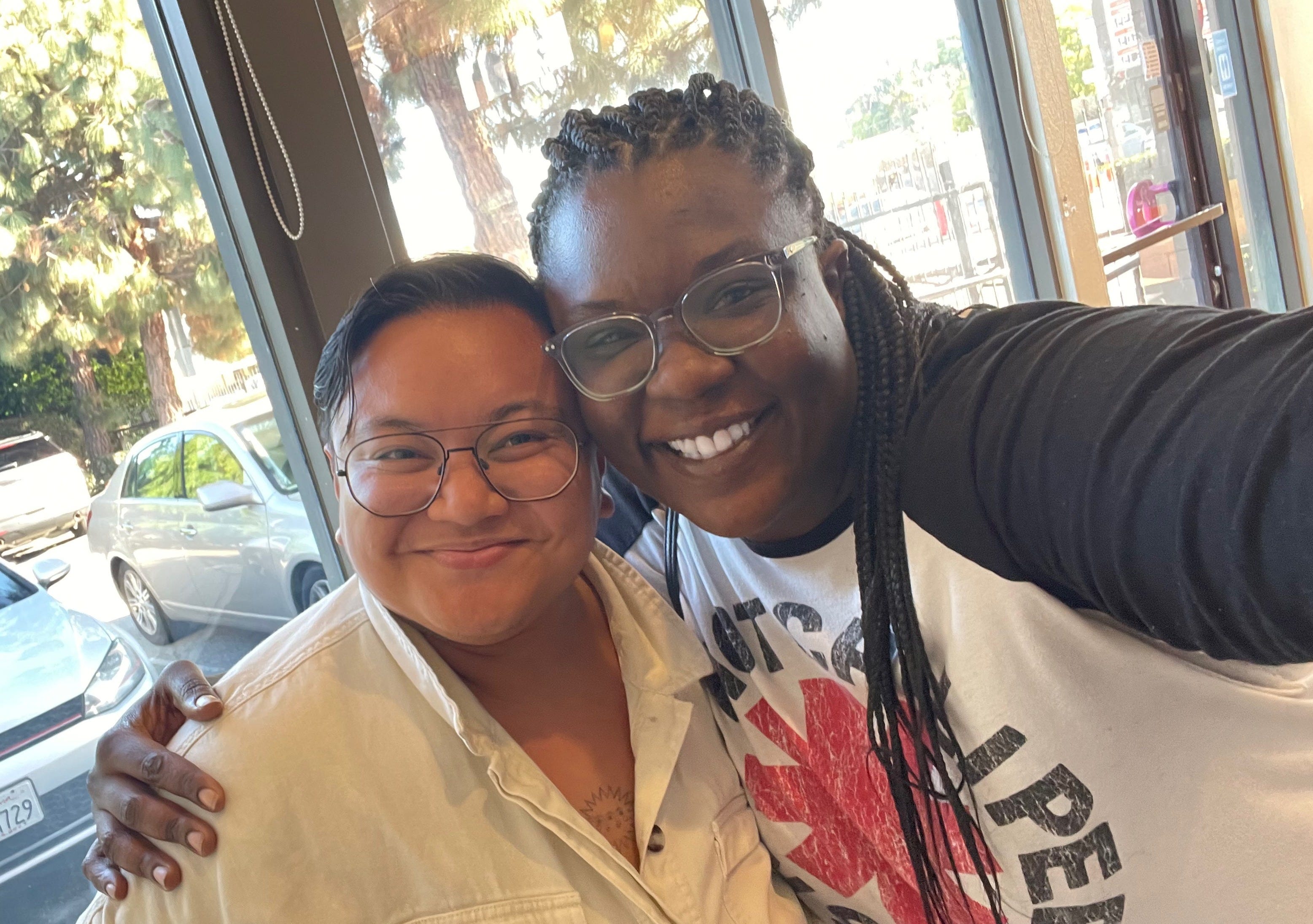
Thank you for being here & big thank you for reading Queer & Trans Wealth’s first guest post by Jasmine Sudarkasa. Jasmine is a good friend of mine, and she helped me plant the seeds for Queer & Trans Wealth back in 2022. I am so honored to be able to share her story with you.
We can’t do this work without your support. Consider becoming a paid subscriber or sending us a tip via Venmo @queerandtranswealth.
-Leo
 | A guest post by
|
Good read!