

How a single parent paid off $75,000 worth of debt in 11 years
Here’s how they stayed consistent, and what forms of support helped along the way

When Gazit Chaya Nkosi was 35 years old, their financial world fell apart.
After giving birth, Gazit Chaya, who uses the nickname Z for short, stayed home for three years to take care of their kid. Their family of three relied solely on their partner’s income. Neither Z nor their partner knew how to manage their finances, but Z’s partner had financial support from their parents. “I had no idea, and I don’t think she did either,” Gazit Chaya tells Queer & Trans Wealth. “I was just completely oblivious.”
Gazit Chaya grew up in an evangelical Christian household. “I was explicitly told, ‘You should not know anything about money. That’s your husband’s job. I am doing your finances now, and I will transfer them to your husband. You should not have a role in it.’” Z’s queerness is one of a handful of reasons that their dad cut them off financially. “I didn’t realize it, but my dad had signed me up for student loans… Being cut off financially, he stopped paying those loans, and I didn’t even realize it until I got debt collection calls, and I was like, ‘What!?’”
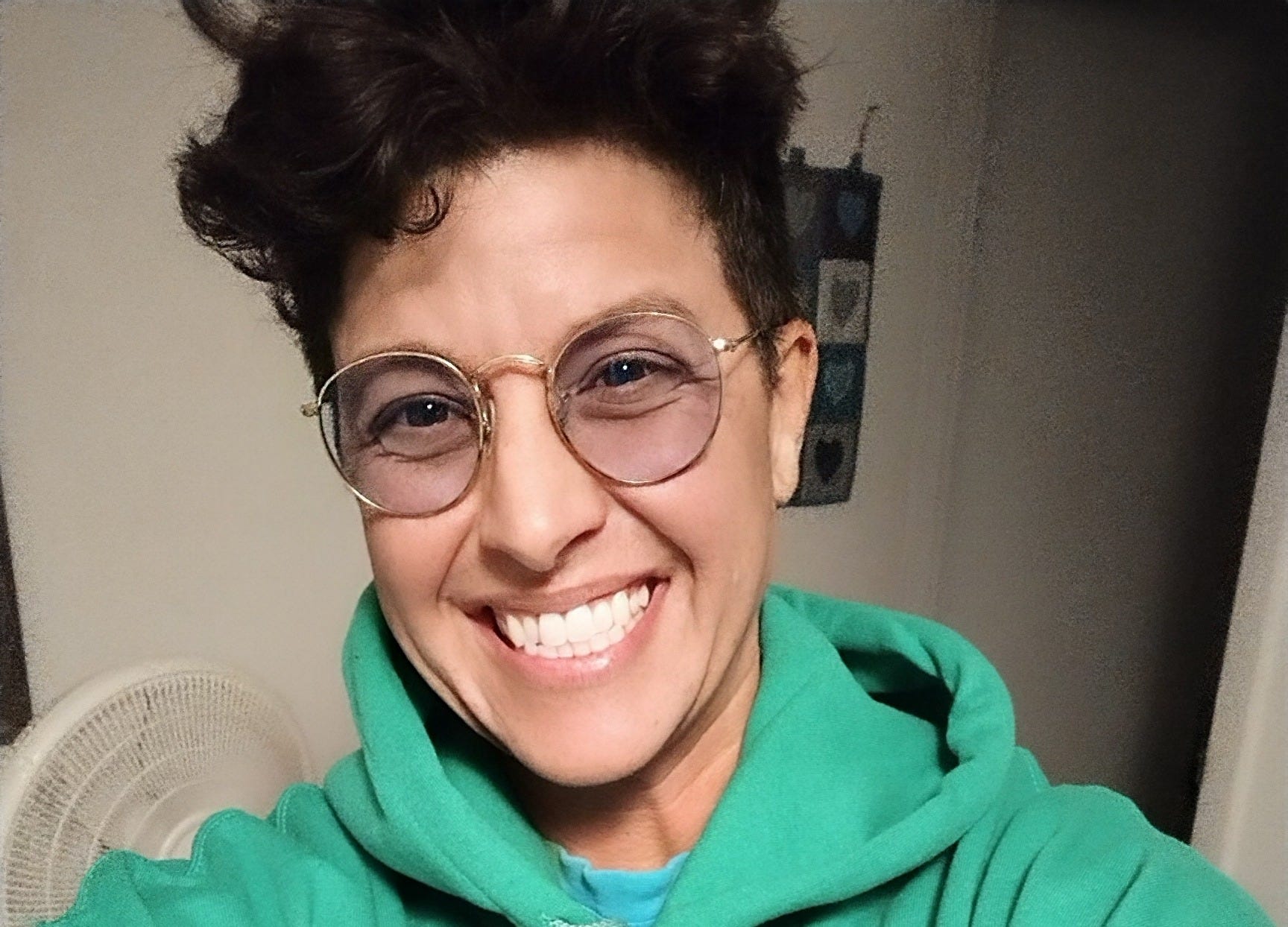
When their partner filed for divorce at 35, Gazit Chaya suddenly found themselves unhoused, drowning in over $100,000 in student loans and credit card debt, with a three-year-old to raise on their own.
Here’s what Gazit Chaya’s debts looked like 11 years ago:
Student loans: $75,659
Interest-free personal loan: $5,000
Credit cards: $21,894
Gazit Chaya says their credit card debt came from a combination of lawyer fees after the divorce, plus basic expenses like groceries and health appointments. “I had major health problems at the time, and I spent $10,000 to get these glasses, which are special brain injury glasses, because I was almost on disability and couldn’t work.”
They add, “I was basically living off fumes since I was 22, but it wasn’t so scary then. But when you have a kid… it just changes so much. That’s what catapulted me to learning about money because I don’t want to keep having to say no to [him], to never be able to get [him] the things that [he] needs. If it hadn’t been for him, I probably wouldn’t have figured anything out in my life. I think I probably would have died by suicide at this point.”
🌈 Subscribe for more queer and trans money stories.
If you’re a queer or trans person who’s achieved a financial milestone, please reach out! I’d love to interview you. Send me an email at leo@queerandtranswealth.org.
Gazit Chaya relied on three major sources of support
A $5,000 loan from someone they barely knew
A $5,000 interest-free personal loan from the Hebrew Free Loan Association
Food banks and state healthcare
Soon, Gazit Chaya found a job that paid about $2,000 per month. Their supervisor at the time gave them some grace and loaned them $5,000. “I didn’t even know her. She’s a literal angel.” That same supervisor helped Gazit Chaya and their son secure safe housing by connecting them to a friend who is a landlord. With just missed student loan payments on their credit report, it was hard to secure an apartment. The personal connection helped Z secure safe, stable housing.
Gazit Chaya also received an interest-free $5,000 personal loan from their city’s Hebrew Free Loan Association. That same supervisor co-signed the loan, and Gazit Chaya paid back $200 per month. They added, “There’s no interest. And they’re really flexible if you can’t [afford to pay].”
Lastly, Gazit Chaya fed their family with the help of free food banks. They add, “I got my kid secondhand everything, hand-me-downs from people. Thankfully, we live in Massachusetts, and we were covered by the low-income free healthcare, which was huge.”
How they stayed consistent to pay off $75,000
Living frugally for many years
Putting every extra penny towards debt under the guidance of the Dave Ramsey program
Tripling their income
Asking for help
In 2018, Gazit Chaya enrolled in the Dave Ramsey program. Dave Ramsey is a financial expert who helps people pay off debt using a “biblically based” money approach. He is criticized for encouraging his students to give up all pleasurable spending habits until they pay off all their debts completely. “It was so painful to go through the Dave Ramsey program because it is so Christian, and I have a lot of religious trauma. But it was the only resource I could find, and I was desperate,” Z adds. They also set up autopay for their bills and debts, and regularly called to make extra payments that go toward the principal balance of their debts.
Eventually, they tripled their income. “We cut out eating early on, and that does dramatically reduce money spent, but making more money is better than scrimping,” adds Gazit Chaya.
Now 46, Gazit Chaya has $25,000 left of their original debt to pay off, plus a new mortgage and home equity line of credit (HELOC). “It took six years to get to the point where I could qualify for a mortgage.” Their housing costs are considerably higher, but they feel confident about tackling any unexpected expenses.
In the end, the biggest impact on their debt payoff process was Z’s ability to ask for help. “I was stuck in so much scarcity,” they said. At first, it was hard to balance asking for help, coming to terms with their trans identity, and raising a kid. “The more I’ve admitted my truth, and let myself be less acceptable, the more my life and resources and experiences have blossomed into something more abundant than I have been able to realize.”