I traveled to Oaxaca to learn about non-extractive lending
Apocalypse spending vol. 6
Two funny things started happening once I started paying attention to my apocalypse spending habits:
- I stopped spending as much money with the fear that the world is ending. The first trick to curbing overspending is to simply pay attention, so I’m not surprised. But I am quickly running out of things to write about in this series lol
- I keep having flashbacks of big, impulsive purchases I made in the past. I realized that I have been apocalypse-spending for years, without acknowledging it for what it is.
If you’re new here, apocalypse spending happens when we feel panic and doom about the world around us. Sometimes, this looks like stocking up on resources, like canned goods. Other times, it looks like giving so much mutual aid that you’re unable to keep up with your own bills. And my favorite version of this kind of spending: Sometimes, you just say, “Fuck it,” and splurge on something you can’t quite afford because you’re afraid of missing out on that experience.
In 2017, I booked my first flights to Mexico City and Oaxaca with my best friend Jia.
All I wanted to do was drink mezcal, eat mole, and get the hell out of the US. It was Trump’s first presidential term. The Handmaid’s Tale was the most popular show on TV, and women were showing up to protests in dystopian costumes. Out of fear of being kidnapped by ICE, I became a US citizen less than a year before the trip. I recognize this is such a privilege, but I cried through the whole naturalization ceremony because being a Philippine citizen meant so much to me.
Overwhelmed and delusional, I said, “Fuck it,” and put all the trip expenses on a credit card. I truly thought the world was ending, and I would never have to pay that balance back. (Spoiler: It would indeed live past 30 years old, and it took a while to pay it all back.)
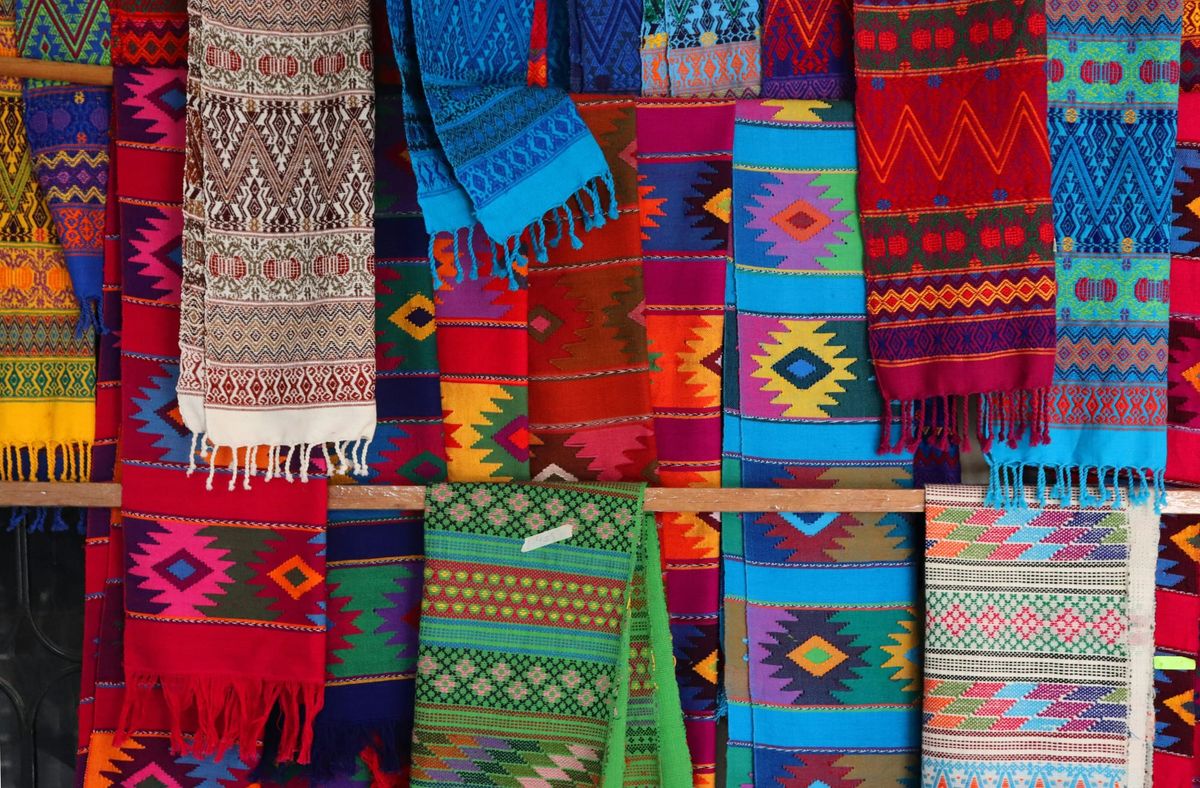
Recommended by an artist whom I once worked for, I booked a tour with a group called Fundación en Vía. The tour cost about $45 USD at the time. All the proceeds from the tour would go towards small interest-free loans for women artisans and entrepreneurs who were keeping traditional Mexican and Zapotec arts alive. The women used the loans to buy raw materials, like unspun wool and natural dyes.
To become eligible for the loans, women would have to apply for the loans in groups of three to keep each other accountable. On their website, it says that each woman is now required to take eight money and business classes before receiving their first loan, and they must attend monthly workshops on developing small businesses. They are also required to invest their loan money into other artisans for raw materials.
Besides the joy of learning from these incredible women, the tour had two functions:
- It allowed tourists to buy directly from artists. Middlemen who sold their rugs, tapestries, and bags at markets charged such a low price for these goods to attract tourists. To pocket more profits, they low-balled the women who made the items. Buying directly from the artists meant they could charge properly for their work and keep all the profit.
- The tour gave the organizers at Fundación en Vía a chance to collect repayment for the loan. I learned that local banks charge up to 50% interest on small loans for local artists and entrepreneurs. The banks’ logic is that it would cost too much money to collect repayment for the loans if the artists fail to pay it back, because the artists live so far from Oaxaca City.
Later in life, I’d learn that Fundación en Vía’s work falls under a practice called non-extractive lending, where the lender does not make any profit from the borrower, and the lender's purpose for lending their money in the first place is the success of the borrower. It was also my first lesson in microfinancing, the idea that small loans could really move the needle for someone’s business and personal life.
After this trip, I went back home to Brooklyn and journaled about this experience for weeks. I just couldn’t believe that a group of people designed a practical financial system that brought so much good to the local community. I couldn’t even look at my own debt in the same way. This tour might have subconsciously lit a fire for the work I do today.
Regret meter: 1/10
I wanted to stay in Oaxaca forever and my body weight in mole, tbh. Other than that, I have no regrets whatsoever.
Media I’m consuming lately:
📜 I am obsessed with Allison Theresa’s essay “Praying He Won’t,” recently published in the Watershed Review. In it, Allison returns to the church for a Hillsong concert after having left the church many years ago. Give my bestie Allison her flowers!
📖 Becoming Abolitionists: Police, Protests, and the Pursuit of Freedom by Derecka Purnell, a lawyer, organizer, and writer from St. Louis. Fun fact: I actually went to high school in a suburb of St. Louis. I was actually working at an art museum that had a piece critiquing police brutality during the Ferguson uprising following the killing of Michael Brown. I was quite sheltered at the time, so I didn’t know too much about the abolitionist movement in St. Louis. My sister gifted me this book and I cannot put it down. Derecka is an incredible writer and witness.
🛍️ This isn’t really media, but I am now the proud owner of dozens of Trader Joe’s striped pastel mini tote bags. By the time this message hits your inbox, I’ll probably be in an hour-long line for a THIRD time to buy my next set of bags. I’m going to the Philippines in August and my Tita specifically requested these bags 😂I am actually so intrigued by the crowd that lines up for the Trader Joe’s tote bags.
🎥 I watched The Birdcage starring Nathan Lane and Robin Williams for the first time in a theater full of older gays. It was so fun, and there was so much laughter!
🎞️ I also had the pleasure of watching By Hook or By Crook, written and directed by Silas Howard and Harry Dodge in 2001. It’s a seminal trans film that explores identity, friendship, and mental health set in San Francisco. Producer Steak House took three years to restore the film so we could enjoy it as close to its original quality as possible. Big thank you to Vidiots for screening it!
🎶 This DJ set by See Bird Go is the thread that is holding me together these days.